
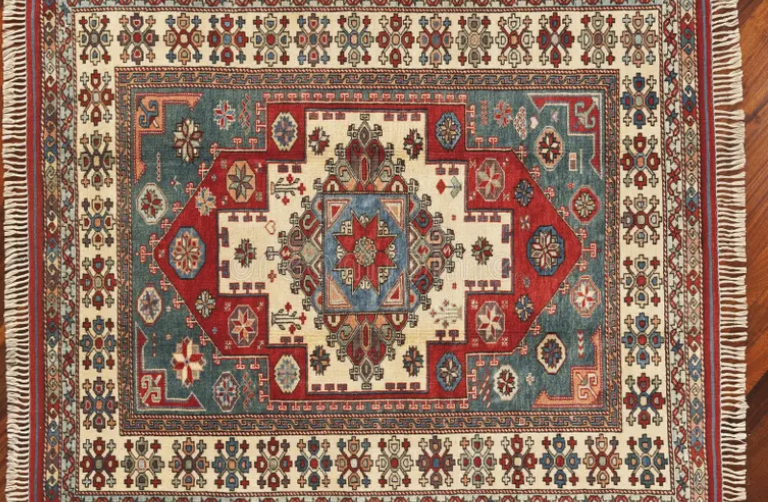
Our trek through Turkey is ending, but no trip to Turkey would be complete without a carpet encounter!! The Izmir region is known for its rug production, and the rugs at the Sultanköy Rug Cooperative are valued for their craftsmanship, intricate designs, and vibrant colors.
We started our time at the cooperative on another beautiful day with a fantastic outdoor lunch by the olive grove.


Then, on to the reason for our visit! Carpet making in Turkey is an ancient and highly skilled craft that has been passed down through generations. The carpets are sought after by collectors and those looking for authentic, handmade rugs.
We had a quick walk through the stages:
The first step is obtaining high-quality raw materials, typically natural fibers. The most commonly used materials are wool for durability and softness; cotton for the foundation of the carpet; and, as pictured here, silk for finer, more delicate carpets with intricate patterns and sheen.

Once the fibers are collected, they are spun into yarn using natural dyes extracted from plants, roots, insects, and minerals. This is what gives the carpets their vibrant and lasting colors. Traditional weavers prefer natural dyes for their depth and authenticity.


Next is the design process: the designs are passed down through generations, and many regions have distinct patterns and motifs that hold symbolic meaning. Traditional Turkish patterns include floral, geometric, and medallion motifs.

Weaving is the most labor-intensive and skilled part of the process. Turkish carpets are typically woven using the double Turkish knot. This technique involves looping the yarn around two warp threads, creating a dense and durable structure. Weaving a high-quality Turkish carpet can take several months or even years, depending on its size, complexity, and the number of knots per square inch.
Next up…. the showroom with carpets of every size and color unfurled before us! In no time we were ankle-deep in samples of every size and color.


There were carpets with Tulips and roses, representing paradise and beauty; evil eyes, believed to offer protection; geometric shapes that symbolize infinity and the continuity of life; and tree-of-life motifs, symbolizing growth and the connection between earth and heaven.

These cooperatives play a significant role in preserving the traditional art of rug weaving, a centuries-old craft in Turkey, passed down through generations. In the end, we enjoyed our experience, but we did not purchase a carpet! Pete’s man-cave at home already has a rug we bought in Morocco many years back…probably not up to Turkish standards…but still functional!

2024, with Overseas Adventure Travel