
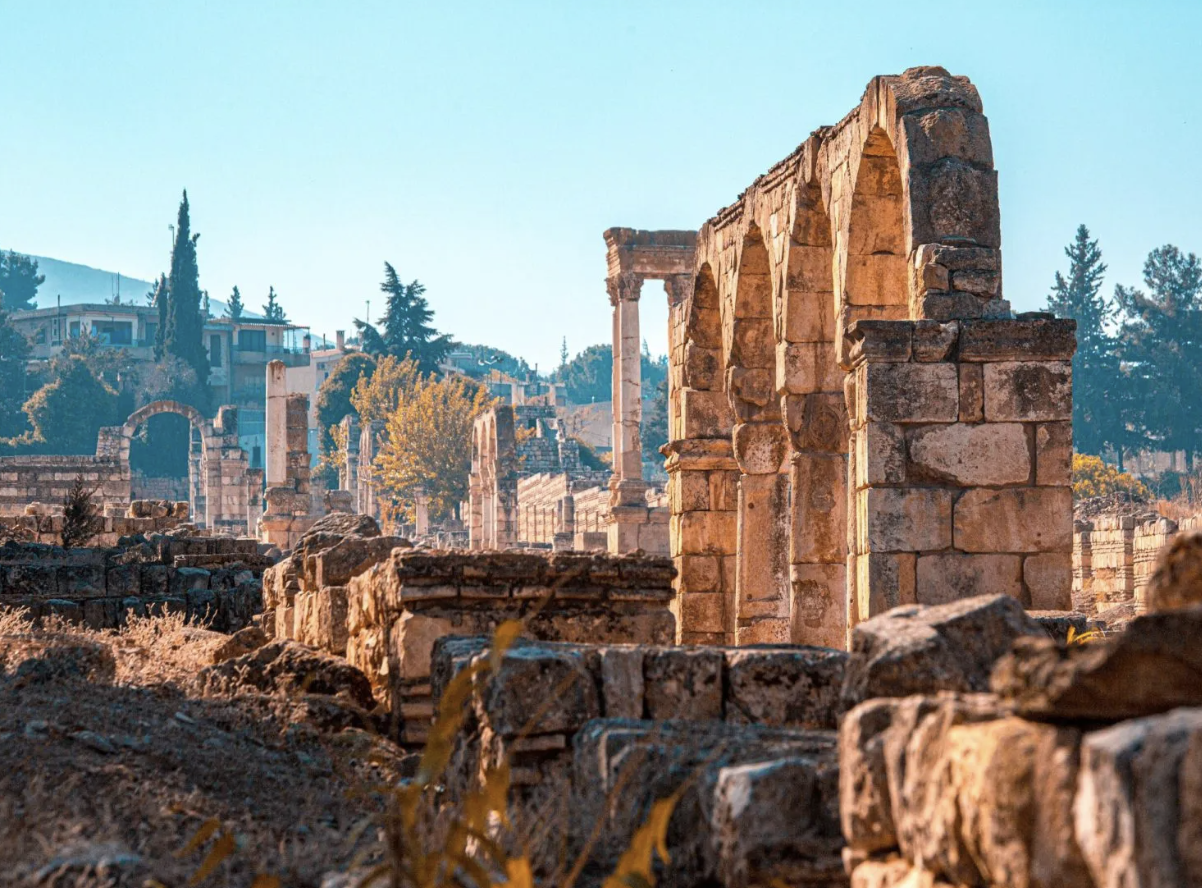
Olympia is best known as the birthplace of the Olympic Games, and the forerunner of our modern Olympic Games. In ancient times, Olympia was not only a major religious and athletic center but also a sanctuary dedicated to Zeus, the king of the gods.
The site attracted athletes, pilgrims, and dignitaries from all over the Greek world. They came to honor Zeus and compete in the prestigious Olympic Games, which began in 776 BC and were held every four years for over a millennium. Plato, Socrates, Alexander the Great, and Nero are just a few of the historical figures that watched or participated in the games.


At the heart of Olympia is the Temple of Zeus, once home to a colossal statue of the god, one of the Seven Wonders of the Ancient World.


Crafted by the renowned sculptor Phidias, the statue was made of ivory and gold and stood over 12 meters tall, symbolizing the divine power of Zeus. Though the statue no longer exists, the ruins of the temple still stand, offering a sense of the scale and grandeur of this ancient wonder.


Another key structure at Olympia is the Temple of Hera, which predates the Temple of Zeus and served as a dedication to the goddess Hera. It is at this temple that the Olympic torch is lit in modern times, in a ceremony that revives the ancient spirit of the Games before the torch makes its journey to the host city of the modern Olympics.

The ancient stadium at Olympia is where the Olympic Games were held, and it remains one of the most well-preserved structures on the site. The stadium could accommodate up to 45,000 spectators who came to watch events such as foot races, wrestling, discus, and javelin throwing.


Athletes competed not just for personal glory but to honor the gods. Winning at Olympia was considered the highest achievement in ancient Greece.

Olympia was not only a center of athletic competition but also a symbol of peace. During the Games, a truce known as the “Olympic Peace” was declared. This allowed athletes and spectators to travel safely to Olympia from warring city-states. This tradition of peace and unity underpins the ideals of the modern Olympic movement.

The Philippeion is particularly noteworthy because it was the only structure within Olympia dedicated to mortals rather than gods. Inside, it housed statues of Philip’s family, including himself, his parents, his wife Olympias, and Alexander, emphasizing the royal lineage and power of the Macedonian dynasty.

Archaeological Museum of Olympia
The Archaeological Museum of Olympia houses many treasures from the site, such as sculptures, votive offerings, and artifacts from the games spanning Greek prehistory up to the Roman era.


This fantastic marble statue, The Hermes of Praxiteles, AKA Hermes, and the Infant Dionysus, exemplifies the elegance and refined detail of Classical Greek sculpture. Hermes is portrayed with a relaxed stance, known as contrapposto, which was a hallmark of Praxiteles’ work, giving the figure a naturalistic and fluid posture.


Today, the archaeological site of Olympia is a UNESCO World Heritage Site and remains a powerful symbol of ancient Greek culture.
This was an awe-inspiring experience that really brings history to life. Standing in the very place where the ancient Greeks gathered every four years to honor Zeus, walking through the remains of ancient stadiums, temples, and training grounds….it was easy to imagine the presence of the athletes and spectators who traveled from across the Greek world to participate.
2024, with Overseas Adventure Travel